
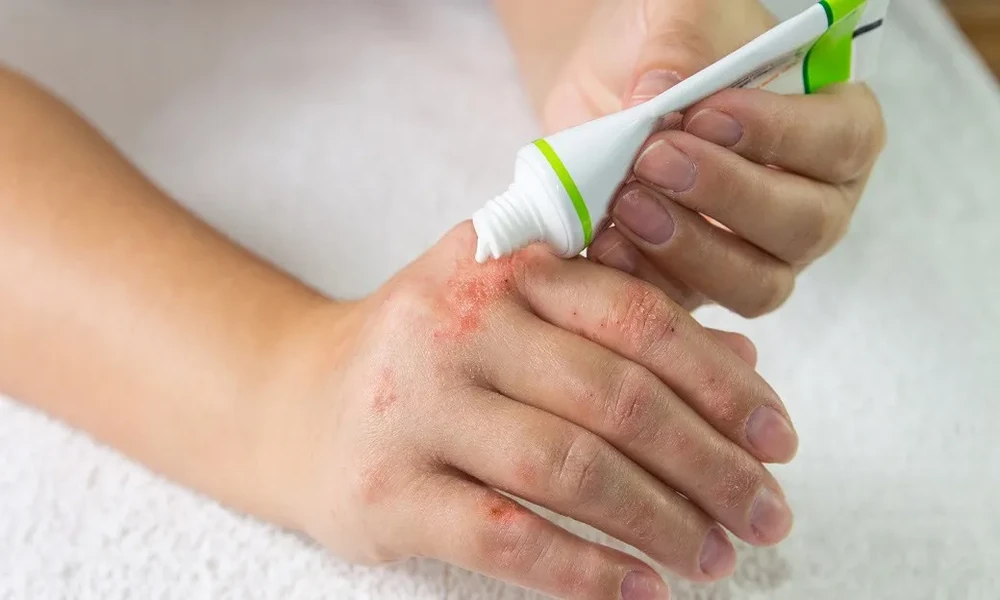
Skin irritation can show itself as red, dry or itchy skin that interferes with everyday activities. Understanding personal needs and noting how the skin responds to several components helps one to choose appropriate skincare products. The creams dermatitis range in texture and use; thus, reading labels enables individuals to make wise decisions. While stronger solutions may help to minimise moisture loss, gentle formulas could be appropriate for sensitive areas. A rigorous selection process promotes improved skin care and helps to prevent components that could cause more irritation.
Learning Your Skin’s Unique Requirements
Dry Skin Calls for More Moisture
Dry regions could feel stiff or rough. Creams include ceramides or glycerin can support the skin barrier and assist to hold moisture.
Oily Skin Calls for Simple Textures.
Those with greasy skin might want lightweight, perfume-free formulations that hydrate without leaving a thick or oily coating.
Sensitive Skin Benefits From Gentle Components
Strong scents might cause sensitive parts to respond quickly. Simpler formulas with fewer ingredients could help to minimise exposure to common irritants.
Need for Balanced Care: Combination Skin
Some areas could seem oily, and some may seem dry. Select a product that hydrates damaged areas without greasing adjacent parts.
Mature Skin Needs Support with Barrier Function
Age can make skin drier. While supporting the protective outer layer against daily irritation, moisturising ingredients help to keep softness.
Cream Choices Arranged by Skin Requirements
Different products serve different purposes. Before choosing a regular-use item, check the following guide.
Skin issue Useful product quality What to look for
Lack of moisture: Rich moisturising foundation; glycerine or ceramides
Oiliness Non-greasy recipe
Sensitivity: few components; no added perfume
– Rough patches: Barrier-supporting components, gentle formulation
Regular irritability; straightforward moisturiser; obvious ingredient list
Important Components Under Close Inspection
Formulas Free of Fragrance Lower Irritation
Some people react to scents that have been added. When skin feels readily agitated, fragrance-free alternatives are sometimes worth thinking about.
Ingredients that help to keep moisture help with hydration.
While ceramides assist in maintaining the skin barrier, glycerin draws water. Maintaining hydration, these components may be helpful.
Labels Support Identification of Possible Causes
Before using a fresh product, go through the ingredients list. Stay away from components that have caused inflammation, itching, or discomfort.
Patch Testing Helps Choose Better Products
First, apply a tiny bit to a small region. Should discomfort arise or symptoms worsen, stop using the product.
Think About Skin Variations Over Time.
Environmental factors, ageing, or irritant exposure can affect skin needs. Check product appropriateness anytime patterns of dryness or redness shift.
Seek Guidance For Persistent Symptoms
Persistent irritation could call for a professional evaluation. A pharmacist or other trained healthcare provider can assist one to choose appropriate solutions for personal needs.
Start Here with Better Options
One must pay attention to skin type, ingredient safety, and moisture needs while selecting creams dermatitis remedies. Choose mild recipes fit for the targeted region. Stay away from recognised causes and get expert help when symptoms don’t go away or get worse. Regular observation might enable you to find items fit for your skin without needless irritation.
FAQs
Can One Cream Fit Every Skin Type?
Not always. Skin diseases and sensitivities vary, thus pick things depending on your own needs and component tolerance.
Should Fragrance-Free Items Be Given Top Priority?
They could enable those with sensitive skin to steer clear of typical irritants. Always go over the complete ingredient list before use.
When Should Professional Guidance Be Sought?
Seek advice if, despite good daily skin care, your discomfort lasts, spreads, hurts, or exhibits signs of infection.