
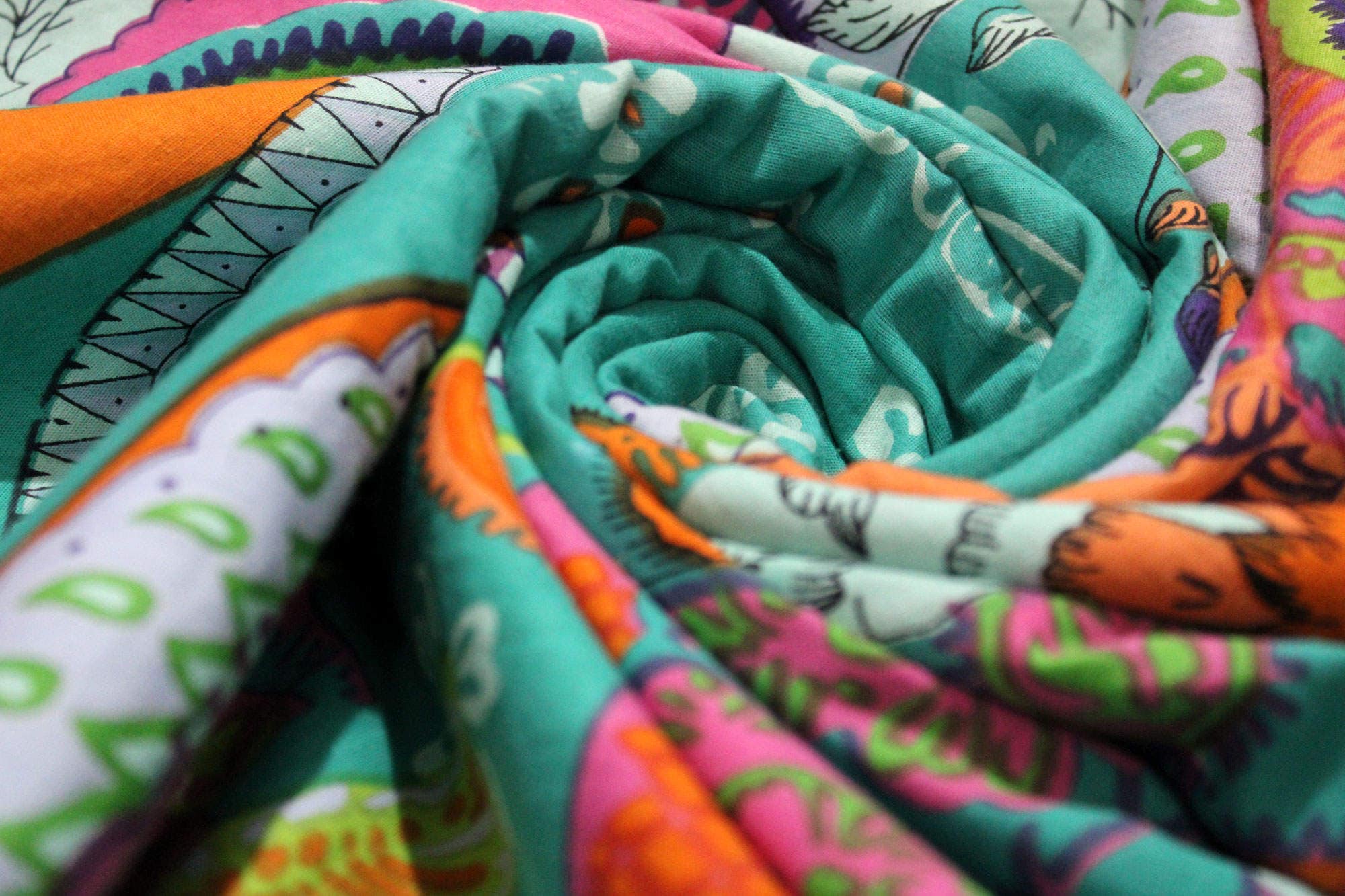
Unraveling the Fabric Jungle: Types of Quilting Fabrics Explained
Cotton vs. Polyester: The Battle of the Fabrics
When it comes to quilting fabrics, the cotton versus polyester debate is an ongoing and passionate discussion among crafters. Cotton is often hailed as the gold standard in quilting due to its softness, breathability, and natural fibers, which allow for exceptional draping and stitching capabilities. It’s highly absorbent, making it perfect for dyeing and printing, thus producing vibrant colors and intricate designs. Cotton fabric typically has a gauge of thread that’s more conducive to quilting, ensuring a stable and durable quilt when stitched together. However, it’s essential to consider that not all cotton fabrics are created equally a wide range of quality exists, from basic quilting cotton to high-thread-count designer fabrics that elevate the aesthetic of any project.
On the other side, polyester also has a significant place in the quilting fabric industry. Often blended with cotton to create a fabric that retains the softness of cotton while enhancing durability and wrinkle resistance, polyester is praised for its ability to maintain color vibrancy over time. Its low absorbency rate also means that it dries quickly and is resistant to shrinkage, making it an attractive option for quilts that may be exposed to the elements. The downside, however, is that 100% polyester fabrics can feel less breathable, resulting in quilts that are warmer but less cozy, depending on the climate. Ultimately, the choice between cotton and polyester comes down to the specific needs of your project and personal preference.
Understanding Batiks: The Artistry Behind the Dye
Batiks are a unique category of quilting fabric with rich cultural significance, especially in regions of Southeast Asia, where dyeing techniques have been perfected for centuries. This fabric showcases intricate patterns created using a wax-resist dyeing technique. The process begins with artisans applying hot wax to cloth to create designs, after which the fabric is dyed multiple times in vibrant colors. Once the dyeing is complete, the wax is removed, leaving behind stunning motifs that are often less predictable than mass-produced fabrics.
The beauty of batiks lies not just in their visual appeal but also in their texture. The irregularities inherent to the dyeing process can add a tactile quality to your quilt, giving it dimension and depth that standard cotton or polyester may lack. Batiks are often made from 100% cotton, which adds to their allure among quilters seeking a quality fabric. With their availability in eye-catching designs, ranging from florals to abstract art, batiks offer options that cater to every style and project, making them a favorite for contemporary quilt makers. Moreover, the unique nature of batiks means that quilters can confidently incorporate them into their projects without fear of duplication, ensuring that each quilt is a one-of-a-kind masterpiece.
Novelty Fabrics: Adding a Dash of Personality to Your Quilts
Novelty fabrics are another fascinating category that allows quilters to showcase their personality and style. This fabric type incorporates playful and thematic designs, from whimsical patterns featuring cartoon characters to sophisticated graphics inspired by nature or geometric shapes. Novelty fabrics can be a fantastic way to inject storytelling into quilts, where specific prints reflect the personality or interests of the recipient or the quilter themselves. For instance, a quilt themed around a child’s favorite storybook or a nostalgic collection of childhood memories can be both a cozy comfort and a cherished keepsake.
However, it’s essential to choose novelty fabrics with care. While they can provide a fun and playful element to the quilt, overly cutesy or childish designs might not yield the same aesthetic appeal when juxtaposed with other, more traditional fabrics in the project. This is where smart pairing comes into play; combining novelty fabrics with solid colors or more subdued patterns can create a balanced design that allows the more vibrant prints to shine without overwhelming the overall look. Additionally, it’s essential to consider the quality of the novelty fabric; choosing well-printed materials can make a stark difference in the longevity and satisfaction of your finished quilt.
Choosing Quality Fabrics: What to Look For When Shopping Online
Thread Count and Fabric Weight: Defining Quality in Quilting
When shopping for quilting fabric online, one of the most defining features of quality is the thread count and fabric weight. Thread count generally refers to the number of threads woven together per square inch, and higher counts often indicate a denser, stronger fabric. Cotton quilting fabrics typically come in weights ranging from 4 to 8 ounces per square yard, with lighter weights being suitable for piecing and heavier weights often used for quilting and constructing garments. A good rule of thumb is to aim for quilting cotton with a weight of around 4.5 to 5.5 ounces, ensuring a perfect balance between softness and durability.
Fabric weight contributes not just to the overall feel but also affects the appearance and longevity of the quilt. Heavier fabrics can provide added structure to items such as bags and home décor items, while lighter fabrics work well for drapey quilts meant for casual use. Nevertheless, it is crucial to consider the fabric’s practical applications; while a heavier fabric might seem robust and durable, it may not perform as well in a soft, flowing quilt intended for snuggling. Look for product descriptions when shopping online; vendors often provide these details, helping you choose a fabric that will meet your craft’s specific needs.
Print Quality: Understanding Fade Resistance and Colorfastness
For quilters, the vibrant colors that bring a project to life are equally as essential as the fabric’s feel. Therefore, understanding print quality and its implications, such as fade resistance and colorfastness, is critical when selecting fabrics. Print quality can vary widely among manufacturers, and even subtle differences can significantly impact the finished product. Fabrics should be pre-treated to ensure that dyes penetrate well for brighter and more enduring colors. This is especially pertinent for those working on heirloom quilts meant to last generations.
Colorfastness refers to how well a fabric maintains its color when exposed to washing, sunlight, and abrasion. To test colorfastness, many quilters recommend running a simple wash test on a small sample of the fabric; however, reputable suppliers will often provide colorfast indices as part of their product information. Remember to check for certification regarding sustainability and the use of safe dyeing practices, especially if your quilt will adorn a child’s nursery or a sensitive space. Ultimately, investing in high-quality prints will ensure that your quilting project maintains its beauty and vibrancy through years of use.
Fabric Widths: How It Affects Your Quilting Project
The width of quilting fabric can significantly influence the layout and design of your quilting projects. Standard quilting cotton is typically available in widths of either 42-44 inches, which is also referred to as “quilting width” or approximately 54-60 inches, known as “home décor width.” These dimensions can dictate the number of seams in a quilt, which can influence the overall look and structural integrity of the finished piece.
A wider fabric can reduce the amount of seaming necessary for your quilt top, which may save time and effort during construction. For larger quilts, using wider fabric can help avoid repetitive patterns or overly busy seams that can distract from the overall design intent. Alternatively, many quilters prefer to work with a standard width, allowing for more versatility in cutting strips and blocks, especially if they’re mixing and matching various prints. When designing your quilt, consider the scale of the printed design. Larger patterns may benefit from the expansiveness of wider widths, while smaller prints can become lost in larger fabric.
Where to Shop: The Best Online Destinations for Quilting Fabric
Top-Rated Websites: Where Quilters Swear By
With countless online fabric stores vying for quilters’ attention, it can be challenging to determine the best places to shop for quality quilting fabric. However, several well-established websites have developed a reputation for providing an excellent selection of fabrics, competitive pricing, and exceptional customer service. Websites such as Fabric.com, Joann, and Hawthorne Supply Co. are lauded by crafters for their extensive collections encompassing everything from traditional to contemporary styles. Many of these stores offer search features allowing users to filter by fabric type, designer, and even color, making it easier to locate the precise material needed for any project.
It’s also beneficial to check for online reviews and testimonials from fellow quilters, as these can provide insight into the quality of fabrics, shipping methods, and overall customer satisfaction. Moreover, many sites often host forums or blogs sharing tips, tricks, and project ideas, enhancing the shopping experience and connecting you with a broader community. For those concerned about supporting small businesses, independent online fabric shops like Fat Quarter Shop and Pink Castle Fabrics are also stellar choices, offering unique selections alongside a personal, community-driven approach to customer service.
Local vs. Global: Navigating Online Fabric Stores
The digital age has granted quilters access to both local and global fabric vendors, with distinct benefits to each option. Shopping locally can provide immediate gratification, with the tactile experience of selecting fabrics firsthand and the ability to inspect textures, colors, and prints without the uncertainties of online purchases. Furthermore, many local fabric stores host events or classes, building a sense of community among crafters. However, local shops may have limited selections, especially if they are situated in rural areas.
Conversely, global fabric online shops open up a far wider range of choices, allowing access to manufacturers and designers worldwide. While this can be an exciting opportunity to explore niche designs and lesser-known fabrics, it is vital to recognize the implications such purchases may have on your shipping costs and wait times, as international shipping can add delays and fees. As a quilter, consider approaching online shopping strategically starting with local favorites to build a strong fabric foundation, experimenting with new designs or styles through international vendors when inspiration strikes. Ultimately, a balanced approach allows you to enjoy the best both worlds offer.
Deals and Discounts: Finding Bargains on Quality Fabrics
In the world of quilting, opportunities for savings can abound if you know where to look. Many online fabric stores frequently offer sales, seasonal promotions, and clearance items that can dramatically reduce costs. Subscribing to newsletter updates from your favorite fabric retailers can provide insider access to discount codes and first dibs on sales. Additionally, participating in fabric swap groups or quilting communities can yield unexpected treasures, as fellow crafters often offer excess fabric at discount rates or even trade opportunities, allowing you to diversify your fabric stash without breaking the bank.
Another effective approach to finding bargains is to keep an eye on end-of-season sales. Many vendors will display their current season’s fabric collections at a discount when transitioning to new lines. Utilizing social media platforms to follow your favorite fabric retailers can also unveil exclusive promotions or codes not readily available on their websites. Be sure to familiarize yourself with return policies and customer service practices to ensure that your bargain finds meet your quality standards in the long run; after all, saving on costs doesn’t mean compromising on quality!
Inspiration from the Experts: Trends and Techniques in Quilting Fabric
Emerging Patterns: What’s Hot in the Quilting World
The quilting world is vibrant and ever-evolving, influenced by cultural trends, artistic movements, and technological advancements. Currently, several patterns are gaining traction within crafting communities, with modern quilting drawing inspiration from abstract designs, oversized prints, and bold geometric shapes. Contemporary quilters are pushing boundaries by mixing traditional quilting techniques with fresh, innovative approaches, leading to hybrid designs that challenge conventional expectations.
One emerging trend is the use of negative space, allowing designs to breathe and focus on essential elements, which contrasts with the more traditional, densely packed patchwork. Additionally, the implementation of rich textures and tactile fabrics is on the rise, encouraging quilters to venture beyond conventional cottons to explore options like linen, silk, and even reclaimed and upcycled fabrics. These choices lend depth and dynamism to the finished piece, creating visually stunning work. Quirky themes, such as retro designs or patterns inspired by nature, are also gaining popularity, encouraging quilters to showcase their unique narratives through their fabric choices.
Mixing Textures and Colors: Tips from Professional Quilters
Professional quilters emphasize the importance of careful decision-making when mixing textures and colors in quilting projects. The ability to combine different materials to create not only a captivating visual but also a rich tactile experience can turn an ordinary quilt into a stunning piece of art. Color theory plays a crucial role in this intricate dance; understanding complementary palettes and the emotional impact of color combinations can guide quilters to make wise choices for their projects. For instance, a combination of muted earth tones contrasted with a vibrant accent color can evoke feelings of warmth and comfort, while high-contrast palettes can create an eye-catching statement quilt destined to stand out.
Texture mixing can also be an impactful technique; combining smooth cotton with textured linen or even cozy flannel can provide dimension and interest across the quilt top. When contemplating these choices, quilters are encouraged to experiment with swatches, creating small test patches to visualize how different fabrics work together. Engaging with local quilting groups or online forums can also foster creativity, as discussions and show-and-tell sessions can inspire innovative approaches to fabric selection, ultimately enhancing the final project.
The Future of Quilting Fabric: Sustainability and Innovations
The future of quilting fabric is evolving with an increasing focus on sustainability and environmentally friendly practices. Eco-conscious quilters are seeking out organic cotton, linen, and bamboo fabrics that minimize environmental impact. These fabrics not only boast a reduced carbon footprint but also appeal to consumers who are becoming increasingly aware of the effects of fast fashion and textile waste. Additionally, many manufacturers are turning to digitally printed fabrics, which use less dye and produce less water waste, all while allowing for intricate designs without the need for excessive processing.
Sustainability extends beyond the fabrics to the entire quilting process. Quilters are encouraged to adopt methods such as zero-waste patterns, which minimize fabric remnants, and participate in communities focused on fabric recycling or swapping unused materials. Innovations in technology, including the use of 3D printing and smart textiles, promise to open new pathways for creativity in quilt making, potentially enabling dynamic features like color-changing designs or integrated technology within quilts. As the quilting community continues to grow more environmentally aware and technologically savvy, the future of quilting fabric holds exciting, sustainable prospects that will undoubtedly redefine traditional crafting.